
Contents
- 🌾 Introduction to Agriculture
- 🌻 History of Agriculture
- 🐑 Domestication of Animals
- 🌱 Crop Cultivation and Development
- 🌴 Forestry and Aquaculture
- 🏙️ Impact on Human Civilization
- 🚜 Industrial Agriculture
- 🌿 Sustainable Agriculture
- 🌻 Modern Challenges in Agriculture
- 🌺 Future of Agriculture
- 📊 Agriculture Statistics
- 👥 Key Players in Agriculture
- Frequently Asked Questions
- Related Topics
Overview
Agriculture, with a vibe score of 8, is the backbone of human civilization, providing food and fiber for over 7.9 billion people. The history of agriculture dates back to 10,000 BCE, with the domestication of plants and animals in the Fertile Crescent. Today, the industry is marked by tensions between traditional farming practices and industrial agriculture, with debates surrounding genetically modified organisms (GMOs), pesticide use, and climate change. According to the United Nations Food and Agriculture Organization (FAO), the global agricultural sector accounts for around 25% of greenhouse gas emissions. As the world grapples with the challenges of sustainable food production, innovators like John Deere and companies like Indigo Agriculture are developing precision farming techniques and digital solutions to increase crop yields while reducing environmental impact. With the global population projected to reach 9.7 billion by 2050, the future of agriculture will be shaped by technological advancements, shifting consumer preferences, and the need for climate resilience, making it a critical topic of discussion and exploration.
🌾 Introduction to Agriculture
Agriculture is the practice of cultivating the soil, planting, raising, and harvesting both food and non-food crops, as well as livestock production. As discussed in Agriculture History, it was a key factor in the rise of sedentary human civilization. The farming of domesticated plants and animals created food surpluses that enabled people to live in cities, as seen in Urbanization and Food Security. While humans started gathering grains at least 105,000 years ago, nascent farmers only began planting them around 11,500 years ago. This marked the beginning of a new era in human history, as explored in Human Evolution and Societal Development.
🌻 History of Agriculture
The history of agriculture is a long and complex one, with multiple regions around the world developing their own unique agricultural practices. As noted in Agricultural Regions, plants were independently cultivated in at least 11 regions of the world. This diversity of agricultural practices has led to a wide range of crops and farming techniques, as discussed in Crop Diversity and Farming Techniques. The domestication of animals, such as sheep, goats, pigs, and cattle, also played a crucial role in the development of agriculture, as seen in Animal Husbandry and Livestock Production.
🐑 Domestication of Animals
The domestication of animals was a significant milestone in the history of agriculture. As explored in Animal Domestication, sheep, goats, pigs, and cattle were domesticated around 10,000 years ago. This allowed for the production of meat, dairy, and other animal products, which became essential components of human diets. The development of Animal Breeding and Livestock Management also enabled farmers to improve the quality and quantity of their animal products. Today, animal agriculture remains a vital part of the global food system, as discussed in Food Systems and Sustainable Livestock.
🌱 Crop Cultivation and Development
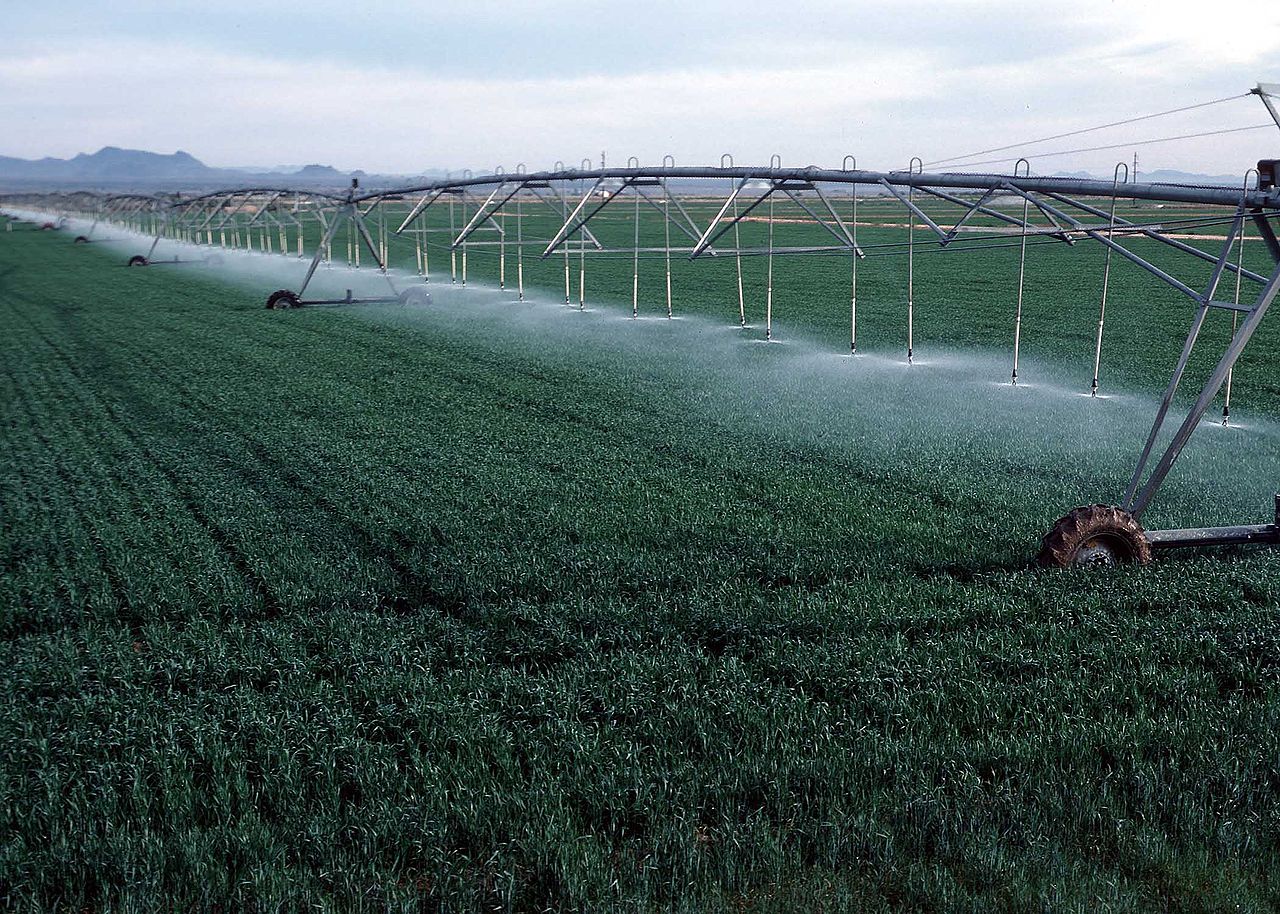
Crop cultivation and development have been critical components of agriculture since its inception. As noted in Crop Cultivation, the selection and breeding of crops have led to the development of a wide range of crop varieties. This has enabled farmers to adapt to different environments and climates, as seen in Climate Change and Agricultural Resilience. The use of Irrigation Systems and Fertilizers has also improved crop yields and quality, as discussed in Water Management and Soil Conservation.
🌴 Forestry and Aquaculture
Forestry and aquaculture are often overlooked components of agriculture, but they play important roles in the global food system. As explored in Forestry and Aquaculture, these practices involve the cultivation of trees and aquatic organisms, respectively. Forestry provides timber, fuelwood, and other forest products, while aquaculture produces fish, shellfish, and other seafood. The integration of forestry and aquaculture into agricultural systems can help promote Ecosystem Services and Biodiversity Conservation.
🏙️ Impact on Human Civilization
Agriculture has had a profound impact on human civilization, enabling the growth of cities and the development of complex societies. As discussed in Urbanization and Societal Development, the food surpluses generated by agriculture allowed people to pursue non-agricultural activities, such as trade, commerce, and governance. The development of Agricultural Technology and Irrigation Systems has also enabled the expansion of agriculture into new regions and environments, as seen in Desert Agriculture and Tropical Agriculture.
🚜 Industrial Agriculture
Industrial agriculture, based on large-scale monocultures, has come to dominate agricultural output in the 20th century. As noted in Industrial Agriculture, this approach has led to significant increases in crop yields and efficiency, but it has also been criticized for its environmental and social impacts. The use of Synthetic Fertilizers and Pesticides has contributed to Soil Degradation and Water Pollution, as discussed in Environmental Impacts and Sustainable Agriculture.
🌿 Sustainable Agriculture
Sustainable agriculture seeks to promote environmentally friendly and socially responsible farming practices. As explored in Sustainable Agriculture, this approach emphasizes the use of Organic Farming methods, Agroecology, and Regenerative Agriculture. By promoting Biodiversity Conservation and Ecosystem Services, sustainable agriculture can help mitigate the negative impacts of industrial agriculture, as seen in Climate Change and Food Security.
🌻 Modern Challenges in Agriculture
Modern challenges in agriculture include the need to feed a growing global population, while also addressing environmental and social concerns. As discussed in Food Security and Sustainable Agriculture, farmers must balance the need for increased productivity with the need to protect natural resources and promote social equity. The development of Agricultural Technology and Precision Agriculture can help address these challenges, as seen in Vertical Farming and Urban Agriculture.
🌺 Future of Agriculture
The future of agriculture will be shaped by a range of factors, including technological innovation, environmental concerns, and social trends. As explored in Agricultural Futures, the development of Artificial Intelligence and Biotechnology may lead to significant improvements in crop yields and efficiency. However, these technologies also raise important questions about Food Safety and Genetic Engineering, as discussed in Genetically Modified Organisms and Biosafety.
📊 Agriculture Statistics
Agriculture statistics provide valuable insights into the state of the global food system. As noted in Agricultural Statistics, the world's population is projected to reach 9.7 billion by 2050, placing significant pressure on agricultural systems. The use of Data Analytics and Geospatial Analysis can help farmers and policymakers make more informed decisions about agricultural production and resource management, as seen in Precision Agriculture and Agricultural Policy.
👥 Key Players in Agriculture
Key players in agriculture include farmers, agricultural companies, and government agencies. As discussed in Agricultural Companies and Government Agencies, these actors play important roles in shaping the global food system. The development of Agricultural Cooperatives and Farmer Organizations can help promote Social Equity and Environmental Sustainability in agriculture, as seen in Sustainable Agriculture and Organic Farming.
Key Facts
- Year
- 2023
- Origin
- Fertile Crescent, circa 10,000 BCE
- Category
- Agriculture
- Type
- Industry
Frequently Asked Questions
What is agriculture?
Agriculture is the practice of cultivating the soil, planting, raising, and harvesting both food and non-food crops, as well as livestock production. It involves a range of activities, including crop cultivation, animal husbandry, and forestry. As discussed in Agriculture, agriculture is a vital component of the global food system, providing food, fiber, and other essential products for human consumption.
How did agriculture develop?
Agriculture developed independently in at least 11 regions of the world, with the earliest evidence of crop cultivation dating back to around 11,500 years ago. As explored in Agriculture History, the domestication of animals, such as sheep, goats, pigs, and cattle, also played a crucial role in the development of agriculture. The use of Irrigation Systems and Fertilizers has also improved crop yields and quality, as discussed in Water Management and Soil Conservation.
What are the benefits of sustainable agriculture?
Sustainable agriculture promotes environmentally friendly and socially responsible farming practices, which can help mitigate the negative impacts of industrial agriculture. As discussed in Sustainable Agriculture, sustainable agriculture emphasizes the use of Organic Farming methods, Agroecology, and Regenerative Agriculture. By promoting Biodiversity Conservation and Ecosystem Services, sustainable agriculture can help address Climate Change and Food Security.
How will agriculture change in the future?
The future of agriculture will be shaped by a range of factors, including technological innovation, environmental concerns, and social trends. As explored in Agricultural Futures, the development of Artificial Intelligence and Biotechnology may lead to significant improvements in crop yields and efficiency. However, these technologies also raise important questions about Food Safety and Genetic Engineering, as discussed in Genetically Modified Organisms and Biosafety.
What are the challenges facing agriculture today?
Agriculture faces a range of challenges, including the need to feed a growing global population, while also addressing environmental and social concerns. As discussed in Food Security and Sustainable Agriculture, farmers must balance the need for increased productivity with the need to protect natural resources and promote social equity. The development of Agricultural Technology and Precision Agriculture can help address these challenges, as seen in Vertical Farming and Urban Agriculture.
How can agriculture contribute to food security?
Agriculture is a vital component of the global food system, providing food, fiber, and other essential products for human consumption. As discussed in Food Security, agriculture can contribute to food security by increasing crop yields, improving crop quality, and promoting Sustainable Agriculture. The development of Agricultural Cooperatives and Farmer Organizations can also help promote Social Equity and Environmental Sustainability in agriculture, as seen in Sustainable Agriculture and Organic Farming.
What is the role of government in agriculture?
Government agencies play important roles in shaping the global food system, including the development of Agricultural Policy and the provision of Agricultural Subsidies. As discussed in Government Agencies, government agencies can help promote Sustainable Agriculture and Food Security by supporting farmers and agricultural companies. The development of Agricultural Cooperatives and Farmer Organizations can also help promote Social Equity and Environmental Sustainability in agriculture, as seen in Sustainable Agriculture and Organic Farming.