
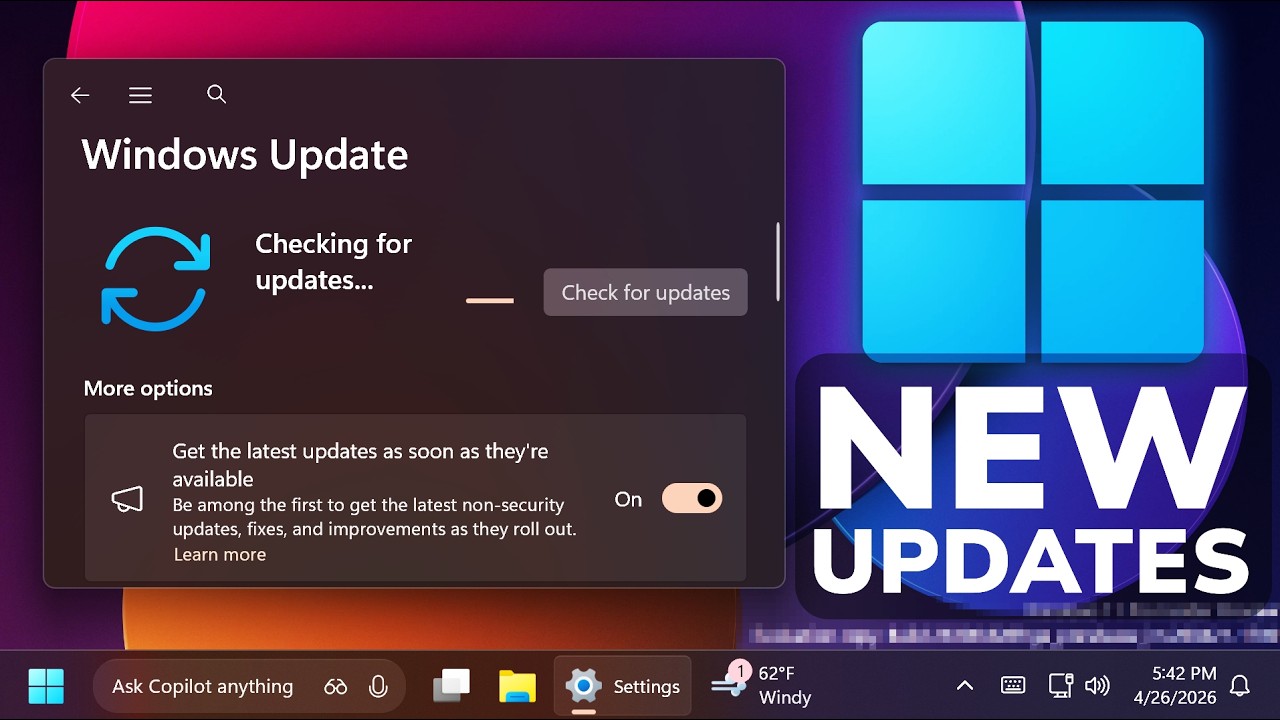
Summary
Microsoft is implementing a significant change to the **shutdown and restart** process in **Windows**, aiming to address long-standing user frustrations. While details remain somewhat scarce, the move is framed as part of a broader effort to improve the user experience on over **1 billion PCs**. This initiative comes amidst persistent user complaints about various Windows functionalities, from search and File Explorer to the perceived intrusion of features like **Copilot** and **OneDrive**. The company's commitment to a "secure by design" approach is being tested against user demands for greater control, particularly regarding update management. Whether these adjustments to a core function like shutting down a PC will genuinely alleviate user pain points or merely represent a superficial fix remains to be seen, especially given the ongoing critiques of other Windows elements.
Key Takeaways
- Microsoft is modifying the shutdown and restart process in Windows.
- The stated goal is to reduce user frustration with the operating system.
- The changes are expected to impact over 1 billion Windows PCs.
- Skepticism exists regarding whether this addresses deeper user complaints about other Windows features.
- The exact nature and rollout timeline of the changes remain unclear.
Balanced Perspective
Microsoft is indeed making changes to the shutdown and restart sequence, a process that affects virtually all **Windows** users. The exact nature of these changes and their impact are still being clarified, but they are presented as a response to user feedback. It's a technical adjustment to a core OS function, and its success will be measured by whether it demonstrably reduces user friction or confusion in practice.
Optimistic View
This 'Shutdown, Restart' overhaul signals Microsoft's renewed commitment to listening to its user base. By focusing on a fundamental, yet often irritating, aspect of the PC experience, Microsoft is demonstrating a willingness to tackle deep-seated user pain points. This could pave the way for a more intuitive and less frustrating Windows environment, boosting user satisfaction and potentially increasing the **Vibe score** for the operating system.
Critical View
This is likely another superficial tweak from Microsoft, repackaging existing functionalities without addressing the root causes of user frustration. Critics point to persistent issues in **File Explorer**, search, and the perceived bloat of features like **Copilot** and **OneDrive**. The company's focus on 'security' while simultaneously pushing new, potentially intrusive features, creates a tension that a simple shutdown change won't resolve. Users may see this as a distraction from more critical usability problems.
Source
Originally reported by Forbes